


Blog
Organic Basmati vs Organic Brown Rice: Which One Should You Cook Tonight?

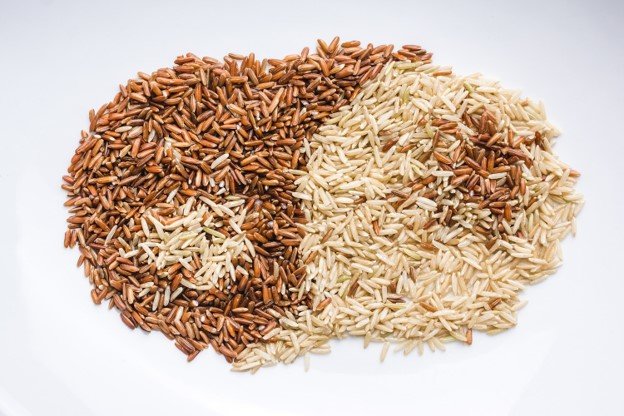
Rice sits on almost every dinner table across the UAE, yet most of us never stop to ask which variety actually supports our health. The organic basmati vs brown rice question comes up more often than you might expect, especially among families trying to eat cleaner without giving up the meals they love. Both grains have their place in a kitchen, but the right choice depends on what your body needs tonight, not just what’s in the pantry.
We often default to whatever we grew up eating. Habits are strong that way. But once you understand what separates these two grains, dinner planning gets a lot easier.
What Makes Basmati Rice Different
Basmati is known for its long grains, light texture, and that unmistakable aroma when it cooks. Grown mostly in the foothills of the Himalayas, it has been a staple in South Asian and Middle Eastern kitchens for generations.
Organic basmati rice is grown without synthetic pesticides or chemical fertilizers, which means fewer residues end up on your plate. Farmers rely on natural soil management instead, letting the grain develop its flavor the traditional way.
Key Traits of Organic Basmati
- Fluffy, separate grains after cooking
- Lower stickiness compared to short-grain rice
- Mild, nutty aroma
- Pairs well with curries, biryani, and grilled dishes
Basmati tends to have a slightly lower glycemic response than regular white rice, though it still falls on the higher end compared to whole grains. It’s a good middle ground for those wanting flavor without the density of brown rice.
What Makes Brown Rice Different
Brown rice keeps its outer bran layer intact, which is exactly why it looks darker and feels chewier. That bran layer holds most of the fiber, minerals, and natural oils that get stripped away during the milling process used for white rice.
Organic brown rice goes through minimal processing, so it retains more of its original nutrient profile. Nothing dramatic happens to it between the farm and your kitchen, just husking, and that’s part of the appeal.
Key Traits of Organic Brown Rice
- Higher fiber content, which supports digestion
- Nutty, earthy flavor
- Firmer, chewier texture
- Takes longer to cook than basmati
Brown rice also tends to release glucose more slowly into the bloodstream, making it a preferred option for people managing blood sugar levels or simply aiming for steadier energy through the day.
Nutritional Comparison: Basmati vs Brown Rice
Nutrition often decides the winner in these debates, and rightly so.
Fiber and Digestion
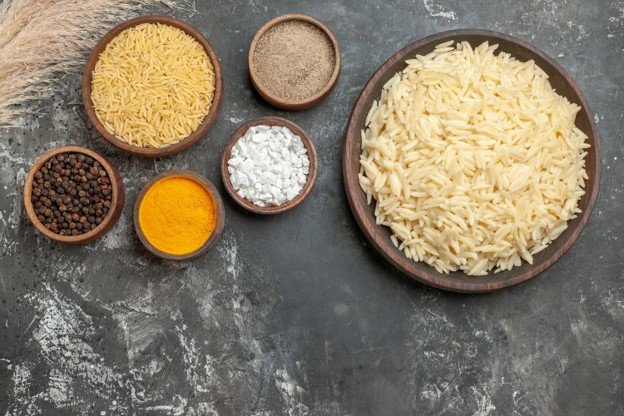
Brown rice wins here without much argument. The bran layer is where most of the fiber lives, and fiber plays a direct role in gut health, satiety, and smoother digestion. Basmati, especially the white version, loses much of this during processing.
Glycemic Impact
Both organic basmati and organic brown rice sit lower on the glycemic index compared to conventional white rice varieties. Still, brown rice generally has a gentler impact on blood sugar because of its intact bran and slower digestion rate.
Protein and Minerals
Basmati rice offers a modest protein boost and contains folate, which supports cell growth. Brown rice brings magnesium, manganese, and selenium into the mix, minerals often missing from a heavily processed diet.
Calories
The calorie count between the two is fairly close, so this isn’t usually the deciding factor. What matters more is how satisfied you feel afterward, and brown rice tends to keep hunger away longer due to its fiber content.
Taste and Texture: Which Fits Your Meal Better
Nutrition matters, but so does what actually ends up on your fork. A meal you don’t enjoy rarely becomes a habit, no matter how healthy it claims to be.
Basmati rice works beautifully with:
- Biryanis and pulao dishes
- Grilled meats and kebabs
- Light vegetable stir-fries
- Middle Eastern rice platters
Brown rice suits:
- Buddha bowls and grain salads
- Stews and hearty curries
- Stuffed vegetables
- Meal-prep lunches that need to hold texture
If you’re after something light and aromatic, basmati leans in that direction. If chewiness and substance matter more to your dish, brown rice does the heavier lifting.
Which One Should You Cook Tonight?
This depends entirely on your goal for the evening, and there’s no single correct answer here.
Choose Organic Basmati If:
- You’re making a traditional dish that calls for fluffy, separate grains
- You want a quicker cooking time
- Your meal already includes protein-rich sides
- You prefer a lighter finish after eating
Choose Organic Brown Rice If:
- You want higher fiber in your meal
- You’re managing blood sugar or weight
- Your dish needs a firmer texture to hold up, like a grain bowl
- You’re looking for a more filling, satisfying option
Some households rotate between both, using basmati for special meals and brown rice for everyday nutrition. That balance often works better than picking one grain permanently and sticking to it out of habit.
Cooking Tips for Both Grains
Getting the texture right changes the entire experience of eating rice.
For organic basmati:
- Rinse until the water runs clear to remove excess starch
- Soak for 20 to 30 minutes before cooking
- Use a 1:1.5 rice-to-water ratio for fluffy results
For organic brown rice:
- Rinse well, though soaking isn’t strictly necessary
- Use a 1:2 rice-to-water ratio
- Expect a longer cooking time, usually 35 to 45 minutes
- Let it rest covered for 10 minutes after cooking for even texture
Small adjustments like these make a noticeable difference in the final dish, regardless of which grain you’re working with.
Why Organic Matters for Either Choice
Choosing organic isn’t only about the label. It reflects how the grain was grown, without synthetic pesticides, chemical fertilizers, or genetically modified inputs. That matters for a staple food eaten as often as rice is in most UAE households.
Organic farming also tends to preserve soil health better over time, which indirectly supports the quality and nutrient density of the grain itself. When rice forms a regular part of your weekly meals, these small differences add up.
Conclusion
Both organic basmati and organic brown rice bring genuine value to a healthy kitchen, just in different ways. Basmati offers lightness, aroma, and versatility for classic dishes, while brown rice delivers fiber, minerals, and a steadier energy release. Neither grain needs to replace the other completely.
At Demi’s Organics, we believe good nutrition starts with understanding what you’re actually eating, not just following trends. Whether tonight calls for a fragrant basmati pulao or a hearty brown rice bowl, choosing the organic version means fewer chemicals and more genuine nourishment on your plate.
Frequently Asked Questions
Is organic brown rice healthier than organic basmati rice?
Brown rice generally offers more fibre and minerals due to its intact bran layer, while basmati provides a lighter texture and quicker digestion. Both suit different nutritional goals rather than one being universally better.
Does organic basmati rice raise blood sugar quickly?
Organic basmati has a moderate glycemic index, lower than regular white rice but higher than brown rice. Pairing it with protein or fibre-rich sides helps slow down glucose absorption.
Can I substitute organic brown rice for basmati in any recipe?
You can, though the texture and cooking time will differ. Brown rice takes longer to cook and produces a chewier result, so recipes needing fluffy, separate grains may need slight adjustments.
Why choose organic rice over conventional varieties?
Organic rice is grown without synthetic pesticides or chemical fertilisers, which reduces chemical residue and supports better soil health, making it a cleaner staple for regular consumption.