


Blog
Gluten-Free Pasta Night: A Beginner’s Guide to Cooking with Chickpea Pasta

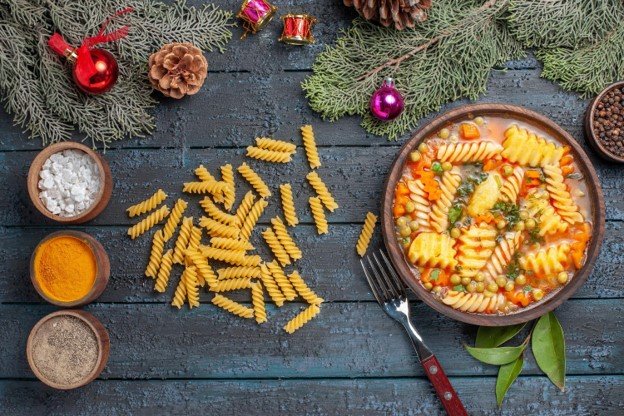
Dinner tables across the UAE are changing. More households are swapping regular wheat noodles for plant-based alternatives, and chickpea pasta sits right at the top of that list. This gluten-free pasta guide walks through everything a beginner needs, from choosing the right pack to plating a bowl that actually tastes good.
Pasta night doesn’t need wheat to feel comforting. It needs the right technique, a bit of patience, and ingredients that respect your body.
What Makes Chickpea Pasta Different
Chickpea pasta is made from ground chickpeas instead of refined wheat flour. That single swap changes texture, nutrition, and cooking time in noticeable ways.
Nutritional Edge
Chickpeas bring protein and fiber that standard pasta simply doesn’t have. A typical serving offers:
- Higher plant-based protein per cup compared to wheat pasta
- More dietary fiber, which supports digestion
- A lower glycaemic impact, helpful for steady energy levels
- Naturally gluten-free composition, suitable for sensitive stomachs
Texture and Taste
Chickpea pasta has a firmer bite and a mildly nutty flavor. It holds sauce well but can turn gummy if overcooked. That’s the main thing to watch.
How to Cook Chickpea Pasta the Right Way
How to cook chickpea pasta is not complicated, but it does behave differently from wheat-based noodles. Getting the timing right makes all the difference between a satisfying bowl and a mushy disappointment.
Step-by-Step Cooking Method
- Boil water first, then salt it generously. Chickpea pasta absorbs flavor early, so don’t skip this step.
- Add pasta and stir immediately. It tends to stick more than wheat pasta during the first minute.
- Cook two minutes less than the package suggests. Chickpea noodles go from perfect to soft fast.
- Test early and often. Bite into a strand around the seven-minute mark for most shapes.
- Drain quickly and toss with sauce right away. Standing water turns the texture starchy.
Common Mistakes to Avoid
- Overcrowding the pot, which leads to uneven cooking
- Rinsing the pasta after draining, which washes away the sauce-holding starch
- Walking away from the stove, since chickpea pasta cooks faster than expected
- Using too little water, causing clumping
Building a Balanced Chickpea Pasta Night
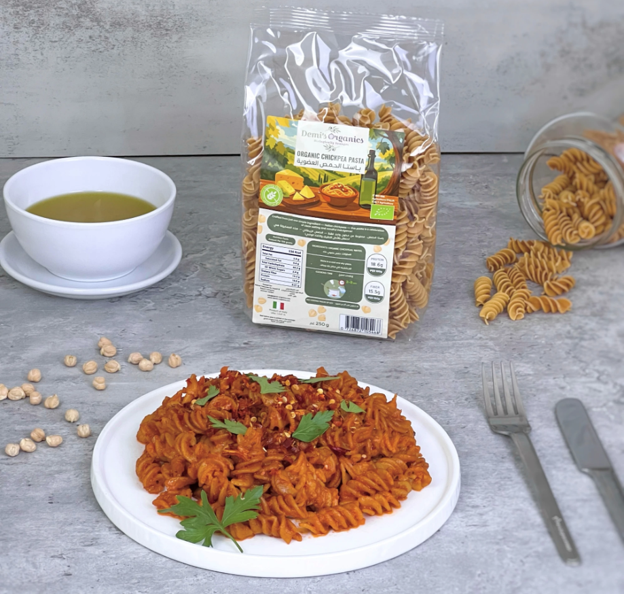
A good pasta night is about more than the noodles. Balance the plate with ingredients that complement the pasta’s protein and fiber content.
Sauce Pairings That Work
Chickpea pasta pairs naturally with sauces that aren’t too heavy, since the pasta already brings substantial texture and protein to the dish.
- Olive oil and garlic, finished with fresh herbs
- Tomato-based sauces, simmered simply without added sugar
- Pesto, made from basil, olive oil, and nuts
- Light cream sauces, using coconut milk for a dairy-free option
Add-Ins for Extra Nutrition
- Roasted vegetables like zucchini, peppers, or cherry tomatoes
- Leafy greens stirred in during the last minute of cooking
- A drizzle of good quality olive oil before serving
- Fresh herbs such as basil, parsley, or oregano
Why Beginners Should Start Here
Switching to gluten-free eating can feel overwhelming at first. Chickpea pasta offers an easy entry point because it cooks quickly, tastes familiar, and doesn’t require special equipment.
Beginner-Friendly Reasons
- Available in most grocery stores across the UAE
- Cooks in under ten minutes for most shapes
- Works with sauces people already know and enjoy
- Suitable for families managing gluten sensitivities or those simply eating cleaner
A Simple First Recipe to Try
Start with something uncomplicated. A garlic and olive oil base, cherry tomatoes, and fresh basil create a dish that highlights the pasta’s flavor without overwhelming it. Add a pinch of chili flakes for warmth, and finish with a squeeze of lemon.
This kind of meal takes fifteen minutes from start to plate, which makes it realistic for a weeknight rather than a special occasion.
Storing and Reheating Chickpea Pasta
Leftovers behave a little differently too, and knowing how to handle them keeps meals enjoyable the next day.
Storage Tips
- Store cooked pasta in an airtight container for up to three days
- Keep sauce separate when possible to prevent sogginess
- Refrigerate promptly rather than leaving it at room temperature
Reheating Without Losing Texture
- Add a small splash of water or broth before microwaving
- Reheat gently on the stovetop over low heat
- Avoid high heat, which can make the pasta rubbery
Selecting the Best Chickpea Pasta Shape
Not every shape performs the same way once it hits boiling water. Some hold sauce better, while others suit lighter, oil-based dishes.
Shapes and Their Best Uses
- Penne or fusilli, ideal for chunky vegetable or tomato-based sauces
- Spaghetti-style strands, best paired with light garlic or oil dressings
- Elbow or macaroni shapes, suited for baked dishes or creamy sauces
- Shells, useful for capturing smaller bits of vegetables or herbs
Choosing the right shape isn’t just about appearance. It affects how evenly the pasta cooks and how well it carries flavour to every bite.
Making Gluten-Free Eating a Sustainable Habit
One dinner doesn’t build a habit, but a few thoughtful swaps can. Chickpea pasta works as a stepping stone toward broader gluten-free cooking, especially for families adjusting their routines gradually.
Rotating between different legume-based pastas, such as lentil or edamame varieties, keeps meals interesting while maintaining the same nutritional benefits. Pairing pasta night with whole, unprocessed ingredients supports the same principles that guide clean eating overall: real food, minimal additives, and ingredients you can actually pronounce.
Conclusion
Chickpea pasta proves that gluten-free cooking doesn’t mean giving up comfort food. With the right technique and a few thoughtful pairings, it becomes a regular fixture rather than an occasional experiment. At Demi’s Organics, we believe that small, informed choices in the kitchen add up to lasting wellness, and a well-cooked bowl of chickpea pasta is a simple place to start.
Frequently Asked Questions
Is chickpea pasta actually gluten-free?
Yes. Chickpea pasta is made entirely from chickpea flour, with no wheat involved, making it a genuinely gluten-free option for those managing sensitivities or celiac disease.
How long does chickpea pasta take to cook?
Most varieties cook in seven to nine minutes, which is slightly faster than traditional wheat pasta. Checking texture early helps avoid overcooking.
Does chickpea pasta taste different from regular pasta?
It has a mildly nutty, earthy flavour and a firmer bite. Once paired with a flavourful sauce, most people find the difference minimal.
Can chickpea pasta be part of a regular weekly meal plan?
Yes, it works well for regular rotation since it’s high in protein and fibre, keeps well as leftovers, and pairs with a wide range of sauces and vegetables.